Pay in installments of $6.28 with
 ,
,
 and
and

Shipping Estimate
USA
- USA
- CAN
- USA
- CAN
Ships within 48 hours · Estimated delivery Jun 29 - Jul 4
 Promo Codes Available:
For Your Every Summer RSVP, with Code: SUMMER15
Description
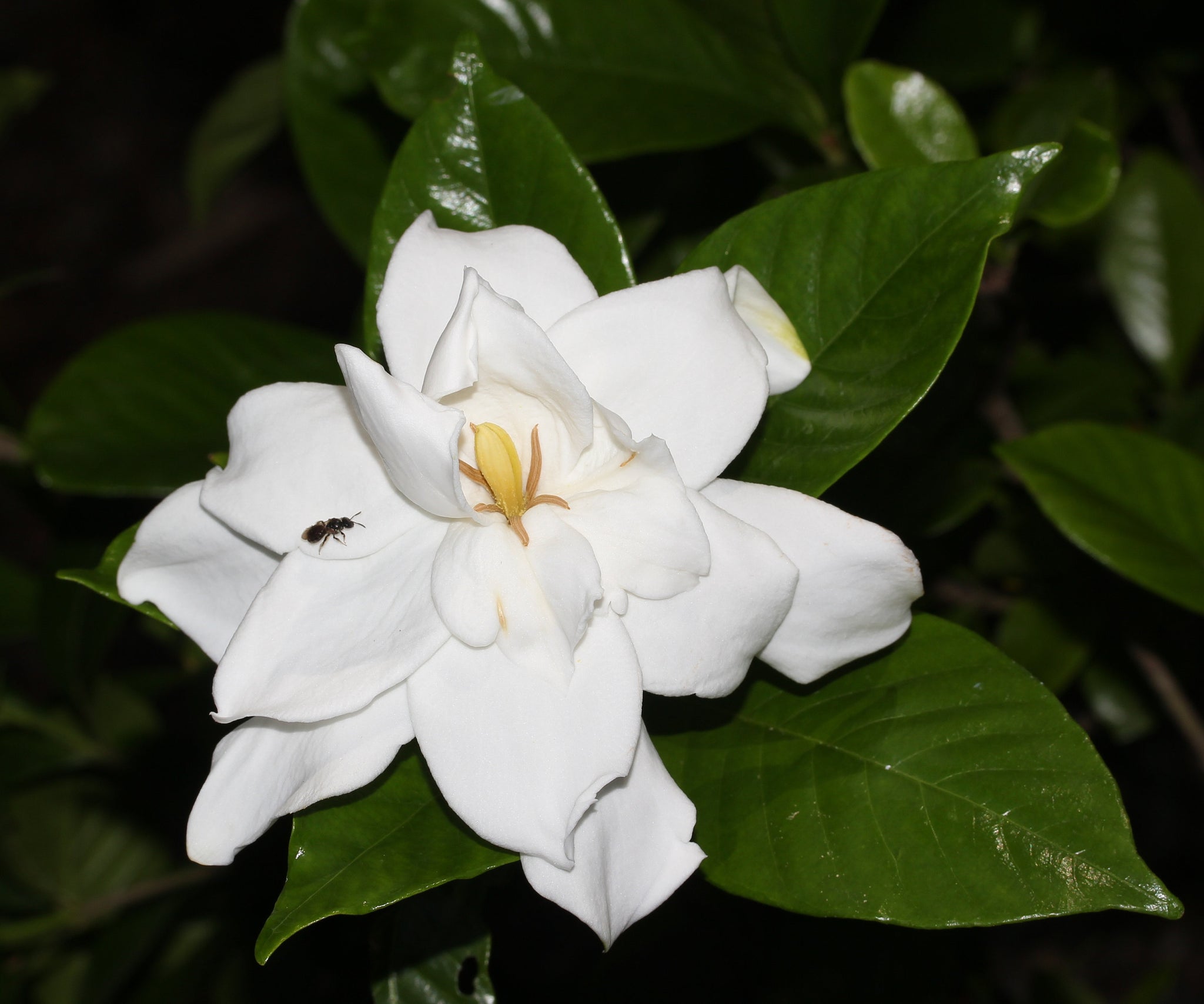
gardenia flower seeds Gardenia jasminoides Seeds - Cape JasmineCommon Name: gardenia Type: Broadleaf evergreen Family: Rubiaceae Native Range: China, Taiwan, Japan Zone: 8 to 11 Height: 5. 00 to 6. 00 feet Spread: 5. 00 to 6. 00 feet Bloom Time: Seasonal bloomer Bloom Description: White ivory Sun: Part shade Water: Medium Maintenance: High Flower: Showy, Fragrant, Good Cut Leaf: Evergreen Garden locations In their native range, most gardenias are fairly adaptable shrubs tolerant of sun or semi shade, and do best
Common Name: gardenia
Type: Broadleaf evergreen
Family: Rubiaceae
Native Range: China, Taiwan, Japan
Zone: 8 to 11
Height: 5.00 to 6.00 feet
Spread: 5.00 to 6.00 feet
Bloom Time: Seasonal bloomer
Bloom Description: White/ivory
Sun: Part shade
Water: Medium
Maintenance: High
Flower: Showy, Fragrant, Good Cut
Leaf: Evergreen
Garden locations
In their native range, most gardenias are fairly adaptable shrubs tolerant of sun or semi-shade, and do best in a well-drained, humus-rich, acidic soil. Fall or spring is the best time for planting in warmer climates. Place in light to moderate shade, preferably with minimum competition from tree roots. Gardenias resent root disturbance. Use fertilizer for acid loving plants, and use iron compounds. Add plenty of organic matter, such as compost or ground bark to as large an area as possible. Mulch plants instead of cultivating. A good time to feed gardenias in these warm areas is mid-March, using an acid plant food, fish emulsion or blood meal. Fertilize the shrubs again in late June to encourage extra flowers on everbloomers or faster growth of young shrubs. Do not fertilize gardenias in the fall. Doing so will stimulate tender growth. Prune shrubs after they have finished flowering to remove straggly branches and faded flowers. Water gardenias regularly. Drip irrigating the shrubs will keep water off the foliage and blossoms and prevents leaf spots.
Cape jasmine, as it is sometimes called, is more commonly a container plant in conservatories and greenhouses in colder climates but it can be placed outside in warmer months. Grown indoors, these plants need bright light, moderate temperatures; cooler during dormancy, average to high humidity and well-drained, acidic soil. Water moderately, using room temperature water, when possible. Do not allow soil to dry out. Prune after flowering to maintain the plant’s shape and remove faded or brown flowers as they appear. Fertilize from March to August with a mild acid liquid fertilizer.
Noteworthy Characteristics
Gardenia jasminoides, commonly called common gardenia or cape jasmine, is native to southern China and Japan and is an evergreen shrub with thick, glossy, dark green leaves (to 4” long). It typically grows to 3-6’ tall. It is particularly noted for its extremely fragrant white flowers (to 3” diameter) and is often grown in double-flowered forms. Flowers bloom throughout the year in warm climates where temperatures do not dip below 60 degrees F., but more typically bloom in late spring to early summer in cooler climates in the northern part of its growing range.
Gardenia jasminoides is synonymous with G. augusta and G. grandiflora.
Genus name honors Alexander Garden (1730-1791), Scottish physician, botanist and zoologist who settled in Charleston, South Carolina in 1752.
Shipping Notes
- Free Standard Shipping on $100+ Orders to the USA.
- Except Preorder products are shipped in 48 hours.
- Delivery to the USA:
- Standard Shipping : 3-10 business days
- If time is of the essence, please consider selecting expedited delivery for faster service.
Exchange/Return Notes
- We offer a 30-day return/exchange service after receiving.
- Final sale items are not eligible for returns or exchanges.
- To process your return/exchange, please contact us at [email protected]
- Please click here for more details>>> Return & Exchange Policy